

Why human insight still beats AI in creative strategy?
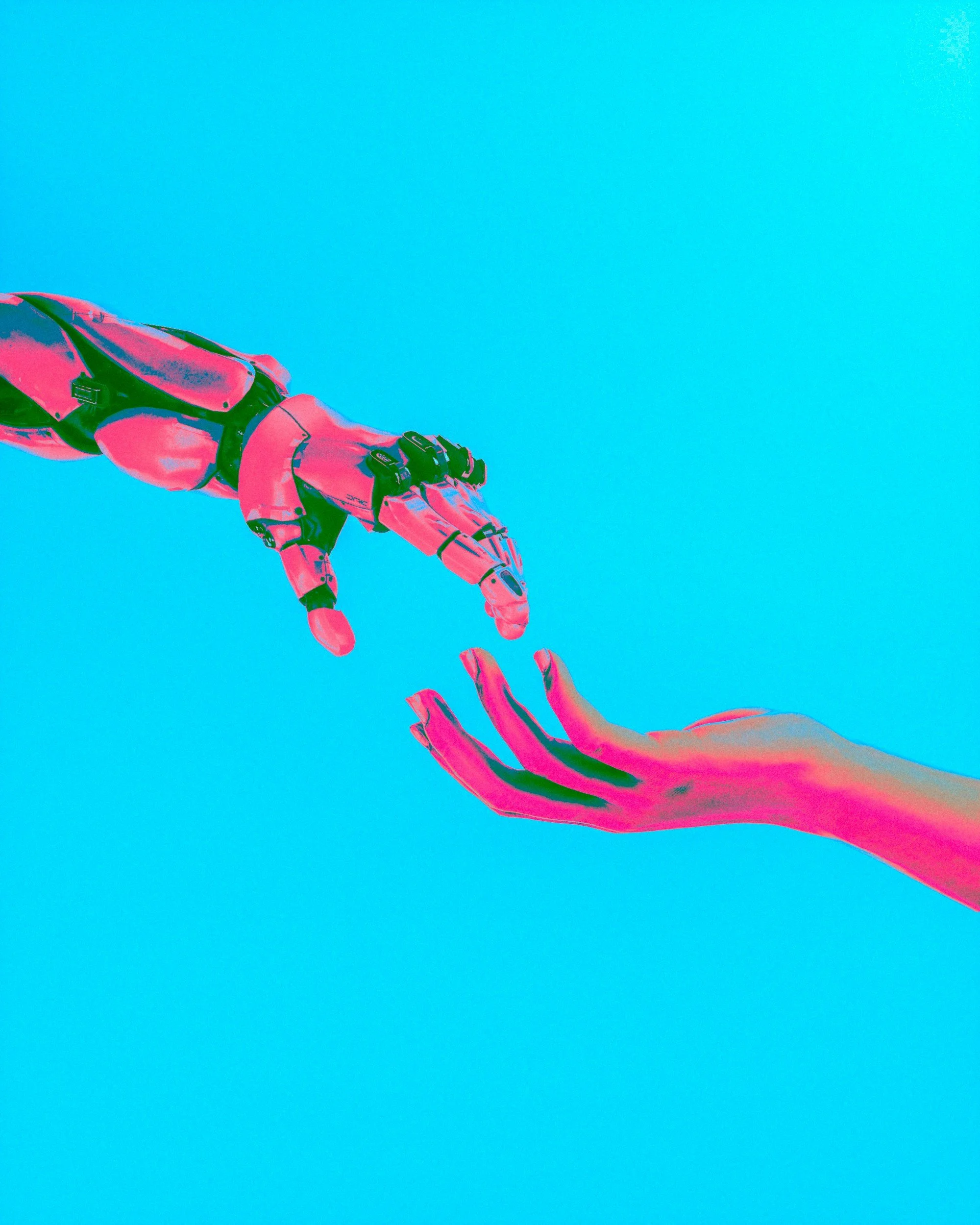
In a world obsessed with automation and shortcuts, it is tempting to believe AI can replace the messy, intuitive, and deeply human side of creative strategy. After all, AI can write captions faster than we can open a Google Doc. It can analyse millions of data points before we even sip our morning coffee. It feels unstoppable.
But here is the quiet truth brands forget: AI is brilliant at producing content. Humans are brilliant at producing meaning. And in marketing, meaning is the only thing that cuts through.
AI predicts patterns, humans understand people
AI works by recognising patterns that already exist. It predicts what sentence, visual, or idea should come next based on previous behaviour. Humans do something AI cannot: we interpret the emotional logic behind choices. Why does someone hesitate? Why someone clicks. Why a message feels manipulative or trustworthy. Creative strategy is not about predicting what people might do. It is about understanding why they do it, and that is why it still belongs to the human brain.
Nuance is lived experience
AI can analyse sentiment, but it does not experience sentiment. It does not know the feeling of pressure when the rent is due, the relief of belonging, the shame of being misunderstood, or the thrill of taking a risk. A real creative strategy takes lived experience and transforms it into communication that feels accurate. Humans sense the tone under the tone. We can tell when a message sounds desperate, arrogant, or hollow. AI has no intuition for this. It guesses. We feel.
Culture shifts fast, but humans ride the wave from the inside
Every culture is a moving target. Memes, subcultures, language, humour, political tension, generational codes. AI learns from what has already happened. Humans evolve with what is happening. That is why AI-generated campaigns often feel like a remix of last year's ideas. They lack the cultural pulse. Good strategists read the room before the room even realises what it is becoming.
Creativity needs tension. AI avoids tension.
AI is programmed to generate what is safe, coherent, and average. It avoids risk. Humans take risks. Tension is where creative breakthroughs happen. The best ideas often sound wrong at first. They challenge the pattern. They provoke. AI is allergic to provocation because provocation breaks pattern logic. A human strategist sees value in the uncomfortable and knows when that discomfort is exactly what a brand needs.
Originality comes from contradiction, not repetition.
AI is trained from existing information. Everything it outputs comes from material that already exists. Originality comes from a different process. It comes from questioning assumptions, blending ideas from unrelated worlds, and seeing meaning where others see noise. Humans create from contradiction, from paradox, from imagination. AI is created from repetition.
AI is a powerful tool. Humans are the compass.
This is not a war of human versus machine. It is a reminder that the machine needs direction. AI can make strategy faster, but it cannot make strategy better without human judgment guiding it. The future of creative strategy is not AI replacing humans. It is humans who know how to use AI intelligently, outperforming everyone else.
At neticé, that is the philosophy: data to ground the work, AI to amplify the work, human insight to give the work meaning. Because in a world full of content, the only thing that stands out is the thing that understands you. And for now, that understanding still belongs to us.
